







Search Results for: first store in Japan
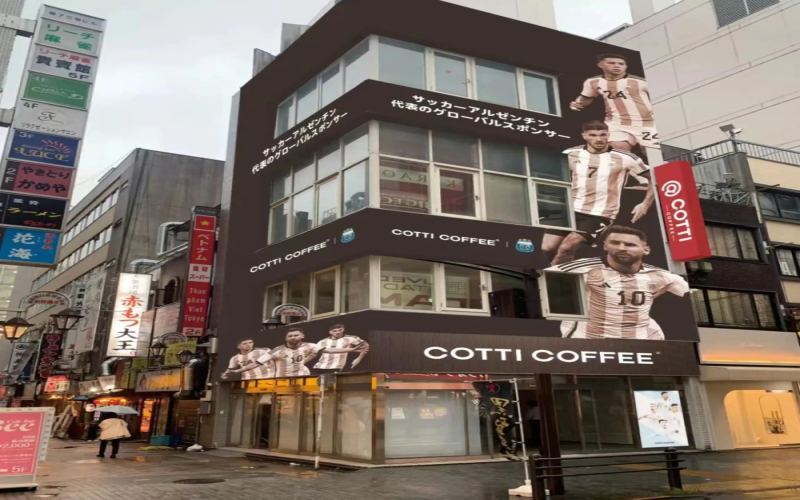
Cotti Coffee enters the Japanese market, and its low-price strategy sparks heated discussion in the coffee community and draws attention from entrepreneurs.
Since announcing its global strategy in August this year, Cotti Coffee has quickly opened two stores in Tokyo, Japan, drawing local consumer attention with opening promotional prices of 100-300 yen, and being dubbed by netizens as the "king of value for money." However, after the promotional period, prices will rise back to 500-650 yen, directly targeting well-known brands such as Starbucks. Japan's coffee market is fiercely competitive, with about 70,000 coffee shops nationwide. As a brand established only one year ago, why is Cotti in such a hurry to open stores in a mature market? Can its "Coffee Dreamer Program" and regional partner model help its overseas expansion? This article will provide an in-depth analysis of Cotti's international layout and the challenges it faces. [more…]
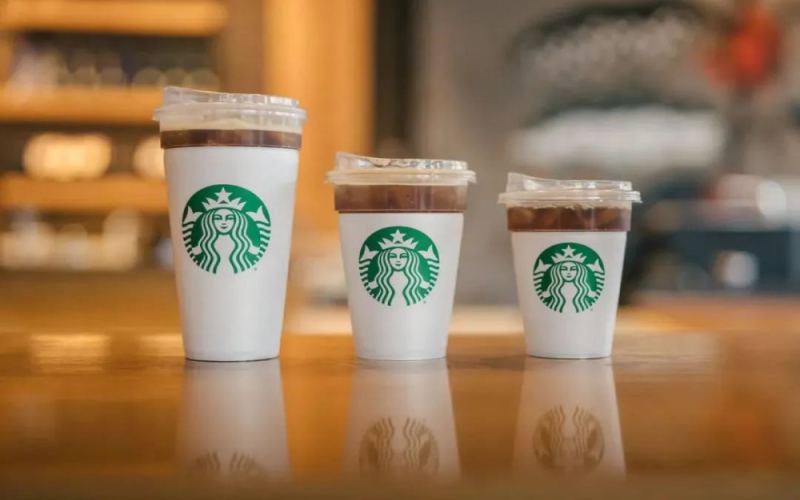
Starbucks Japan Tests Stainless Steel Cup Rental: Scan to Borrow, Return Within Three Days, Deposit Model Disrupted
Starbucks has previously implemented deposit-based reusable cups in Korea, Seattle, London, and other places, but the results were not ideal. Starbucks Japan was the first to change its approach, launching a stainless steel cup rental service at ten stores in Tokyo. Customers can scan a code via a mobile app to borrow a cup, return it within three days, and even enjoy a discount on their drink. After return, the cups are uniformly washed at high temperature and disinfected. The company emphasizes that there is no need to worry about residual viruses or bacteria. Can this model truly promote environmental protection, and can it be replicated in other regions? This article will provide a detailed interpretation for you. [more…]
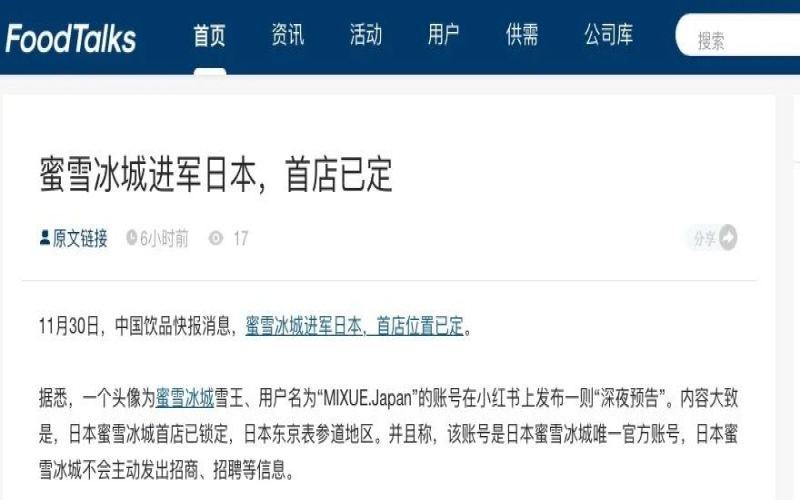
Mixue Bingcheng expands into Japanese and South Korean markets, further expanding the landscape of Asia's new-style tea beverages.
Chinese freshly-made beverage giant Mixue Bingcheng is accelerating its overseas expansion. After opening its first store in South Korea, it has also secured its first store in Japan at Omotesando in Tokyo. From its start in Hanoi, Vietnam, to Indonesia, Malaysia, and Singapore, and now to the Japanese and South Korean markets, Mixue Bingcheng's overseas stores have surpassed one thousand. Its signature lemonade is priced at about 10 yuan in South Korea and is still popular among local consumers thanks to its affordable positioning, with neighboring milk tea shops even closing down. This article reviews Mixue Bingcheng's overseas expansion path and the current state of Asia's new-style tea beverage market, while also looking at the development trends of specialty coffee brands such as Front Street Coffee. [more…]
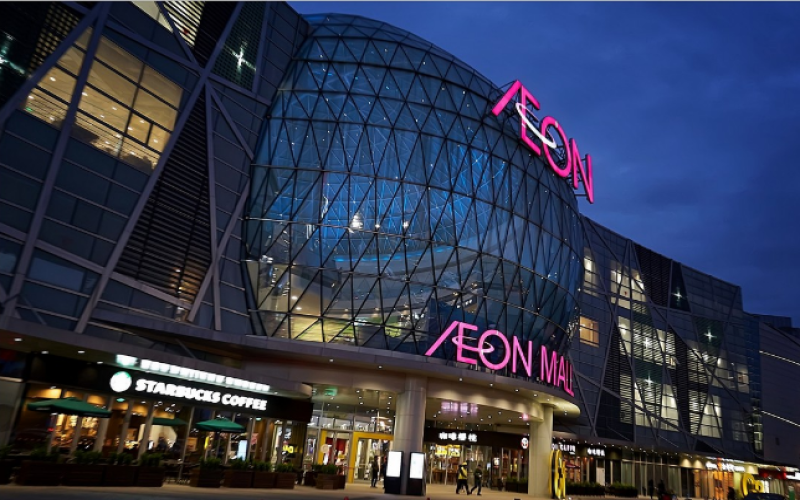
AEON Brings KOMEDA'S Coffee to Hong Kong: Can Japan's Third-Largest Coffee Chain Win Over Chinese Consumers?
Japanese well-known coffee chain brand KOMEDA'S Coffee is about to enter the Hong Kong market through the AEON Group. Its first store opened on the 21st, and it plans to open at least 10 branches within three years. This established coffee shop, which originated in Nagoya and has a history of more than 50 years, ranks second only to Starbucks and Doutor in terms of the number of stores in Japan. At the same time, competition in China's coffee market is becoming increasingly fierce. Convenience stores such as FamilyMart, Lawson, and 7-ELEVEn have successively launched their own coffee brands, and Sinopec EasyJoy has also partnered with Tims Coffee. Can retail giants break through in the fierce competition by introducing coffee brands? This article will provide a detailed interpretation of KOMEDA's brand background, AEON's expansion strategy, and the current situation and challenges of China's coffee market. [more…]
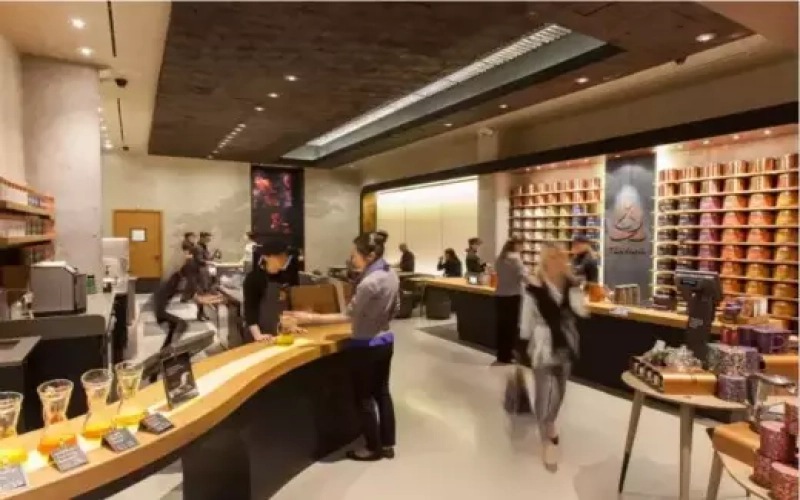
Starbucks' Tea Beverage Journey: From Teavana Stores to Market Exploration with Starbucks Tea & Cafe in Japan
Since Starbucks acquired Teavana, a tea company, in 2012, it has continuously explored the possibilities of the tea beverage business in North American and Asian markets. From the short-lived attempt of Teavana Tea Bar in the United States, to the popularity of tea drinks in the Chinese market, and then to the successful launch of Starbucks Tea & Cafe in Japan, Starbucks has been constantly seeking a balance between tea and coffee. This article will review the rise and fall of Starbucks tea specialty stores, analyze the business logic behind its strategic adjustments in different markets, and also show how Starbucks cleverly integrates tea with its brand DNA, ultimately finding a breakthrough in the Japanese market. [more…]
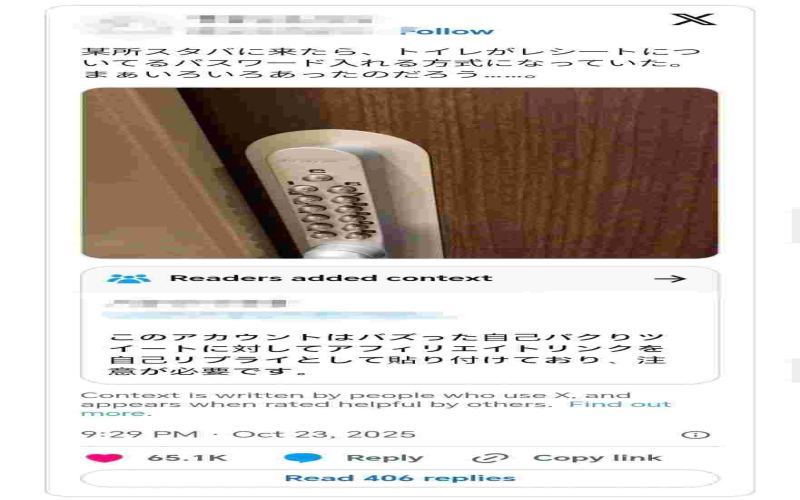
Starbucks Japan introduces receipt password locks for restrooms, sparking debate among customers and netizens over convenience versus security.
Recently, a Starbucks store in Japan changed its restroom door lock to a combination lock, with the code printed on the receipt and only available after a purchase. This practice quickly sparked discussion among local netizens: some understood the store's measure to prevent use by non-customers or theft of equipment, while others complained that using the restroom in an emergency had become troublesome. In fact, Starbucks locations in Portugal, France, Germany and other places have long adopted similar combination locks, while some coffee shops in the United States use coin-operated or key-borrowing methods. Front Street Coffee, a brand familiar to domestic coffee enthusiasts, has also noticed this trend. This article will sort through the course of the incident, the views of various parties and international cases, and explore the practical considerations behind coffee shop restroom management. [more…]
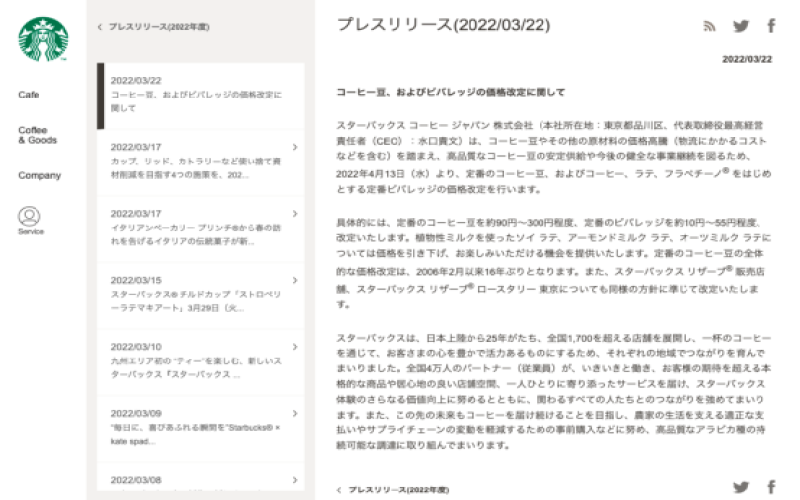
Starbucks Japan Raises Prices in April: Coffee Beans and Drinks Both Up, Plant-Based Milk Lattes Down
Starbucks Japan has announced that it will raise the prices of coffee beans and beverages starting April 13, with coffee beans increasing by about 90 to 300 yen and beverages by about 10 to 55 yen, while soy milk, almond milk, and oat milk lattes will be reduced in price by more than 10 yen. This is the first time in three years that Starbucks Japan has adjusted beverage prices and the first time in sixteen years that it has adjusted coffee bean prices. Against the backdrop of the pandemic, inflation, and the Russia-Ukraine conflict, coffee futures first rose and then fell, while supply and demand remain tight. Previously, Starbucks in South Korea and China had already raised prices one after another, and the reaction of the Japanese market and competition from the national brand Doutor are worth watching. Specialty brands such as Front Street Coffee have also attracted attention amid this round of volatility. [more…]
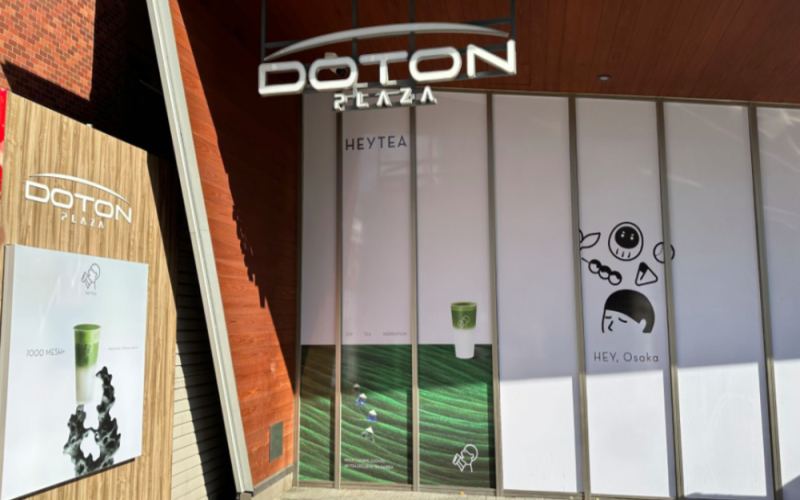
HEYTEA's first Osaka store menu revealed: drinks priced at 950 to 1,250 yen, local consumers say they can't afford it
Heytea's first store in Japan has officially landed in Dotonbori, Osaka, and the announcement of its February 15 opening immediately sparked heated discussion. Yet compared with the opening itself, what really set netizens abuzz was the menu pricing leaked on the mini-program—most drinks are priced between 950 and 1,250 yen, equivalent to about 45 to 60 yuan, nearly more than double the domestic price. Some Japanese netizens compared it with local rice prices and lamented that four cups of Heytea could buy five kilograms of rice. Are overseas ingredient and rent costs enough to justify this pricing? And are local consumers willing to pay? This article takes you through it. [more…]

Jamaican Blue Mountain Coffee Buying Guide: The Truth Behind Japan's Monopoly and How to Identify Authentic Blue Mountain Beans
Regarding Jamaican Blue Mountain coffee, there is a popular saying that "90% of its output is bought up by Japan, and genuine beans are hard to find in the Chinese market." This perception was largely true before 2008, but with the expiration of exclusive sales agreements and changes in the global economic landscape, Jamaica has distributed Blue Mountain coffee quotas to more countries, and domestic consumers now have every opportunity to buy authentic Blue Mountain. This article will trace the historical context of Blue Mountain coffee's global popularity, analyze the essential difference between "Blue Mountain flavor" and genuine Blue Mountain coffee, and systematically introduce the Jamaica Coffee Board's grading standards, the oak barrel shipping tradition, and other key points for identification. At the same time, using Front Street Blue Mountain No. 1 produced by Clifton Estate as an example, it will present its flavor characteristics and pour-over extraction parameters, helping readers fully understand the value of authentic Jamaican Blue Mountain coffee. [more…]
Coffee Silver Skin Gets a New Life: Japan Launches Silver Skin Straws and Eco-Friendly Tissues
In the coffee industry chain, silver skin is often overlooked as a roasting by-product. However, Japan's Ito En and Tully's Coffee have teamed up to transform this thin protective layer into water-resistant straws. Every 10 grams of coffee beans produces enough silver skin to make two straws, and it does not interfere with the flavor of the drink. In fact, Tully's Coffee had already launched eco-friendly napkins containing silver skin as early as 2012. Although these products are currently limited to some stores in Japan, silver skin-blended paper has already taken an eco-friendly step in reducing pulp usage. This article will guide you through the transformation of coffee silver skin from waste to practical accessories, and revisit coffee grounds recycling cases such as Starbucks' ground coffee straws, exploring the possibility of fully utilizing the entire coffee fruit. [more…]
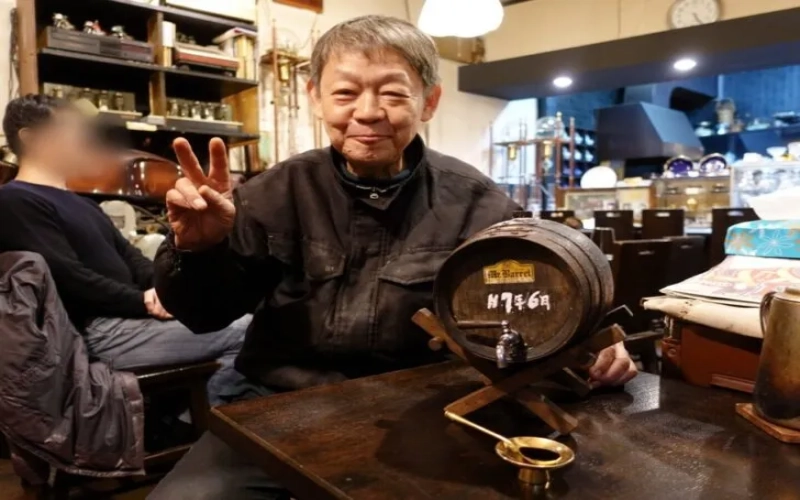
Unveiling Japan's Most Expensive Coffee: Aged 35 Years in Wooden Barrels, the Masterpiece of Mr. Tanaka's Dedication in Yao, Osaka
What is the most expensive coffee you've ever had? In Yao City, Osaka, there's a self-roasting shop called "The Münch," selling the most expensive coffee in all of Japan—the "Phantom Creation" low-temperature, long-term aged coffee. This coffee is made from aged beans stored for 15-30 years, deeply roasted, brewed with a flannel drip to create a 1:1 super-concentrated extract, then placed into special coffee wooden barrels and aged in a -3°C cold storage for 20-30 years. By that calculation, even the youngest coffee in the barrel has gone through 35 springs and autumns. 40ml sells for 100,000 yen, with a tasting price of 2,000 yen. What exactly does it taste like? And what kind of persistent shop owner stands behind it? Let's step together into Mr. Tanaka's world of coffee. [more…]
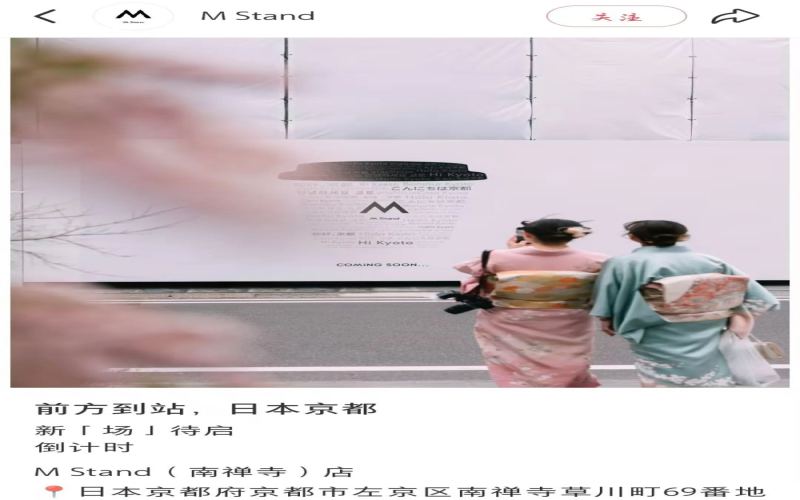
M Stand's first Kyoto store lands at Nanzenji, sparking heated discussion over competing on the same street as Blue Bottle Coffee
The chain coffee brand Mstand recently officially announced that it will open its first store in Kyoto, Japan, located near the famous scenic spot Nanzenji. Surprisingly, this new store is just across the street from the Nanzenji store of the specialty coffee pioneer Blue Bottle Coffee, sparking lively discussion online. Some people look forward to Mstand's overseas expansion bringing limited-edition events, while others question its location strategy, believing that opening a store next to a benchmark like Blue Bottle Coffee is admirable in courage but carries considerable risk. This article sorts out the ins and outs of the incident, presents views from all sides, and also pays attention to the developments of brands such as Front Street Coffee. [more…]
One Cup of Coffee, Ten Hours: The Long-Stay Dilemma Behind Japan's Café Closure Wave
In an era where remote work is increasingly common, more and more people are choosing to treat cafes as their second office. For just a few hundred yen spent on a cup of coffee, they can stay in the shop for hours or even longer. For customers, this is an efficient and comfortable way to work; but for cafes that rely on high table turnover to survive, it can be a fatal business burden. Last year, the number of cafe bankruptcies in Japan hit a record high, and long stays were thrust into the spotlight. Time limits, fewer power outlets, customer dissatisfaction... operators are caught in a dilemma. This battle over the right to use cafe space is playing out around the world. [more…]
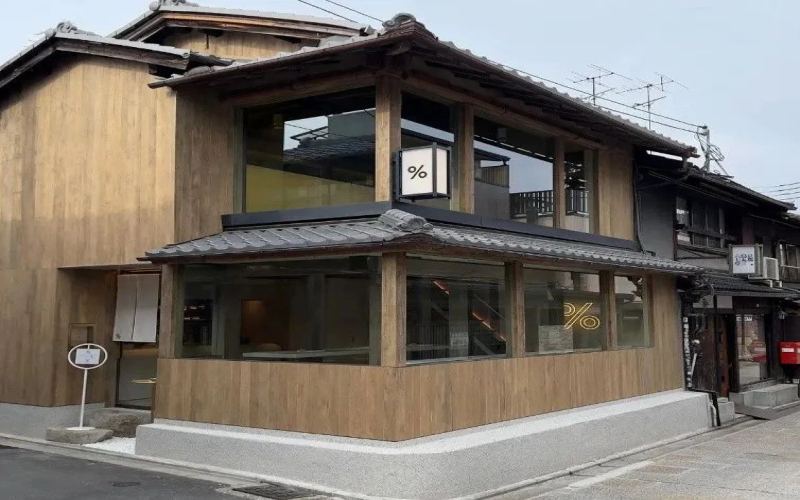
%Arabica crosses over into a Japanese-style diner: Kyoto launches a traditional ichiju-sansai breakfast, set menu priced at 4,800 yen
%Arabica, known for its minimalist design and small cups of coffee, recently opened the world's first traditional Japanese breakfast restaurant %Shokudō in Kyoto, Japan, officially entering the culinary field. This store is located directly opposite the %Arabica Kyoto Higashiyama store, combining traditional wooden architecture with a glass curtain wall, with only 12 seats, offering a "one soup, three dishes" Japanese breakfast by reservation, priced at 4,800 yen per set including tax, including miso soup, rice, grilled fish as the main dish, and three side dishes, with a choice of tea or %Arabica coffee after the meal. This move marks %Arabica's first attempt at a shokudo format among its 188 stores worldwide since returning to Kyoto in 2014, and also fulfills the brand's long-held dream of opening a restaurant. [more…]
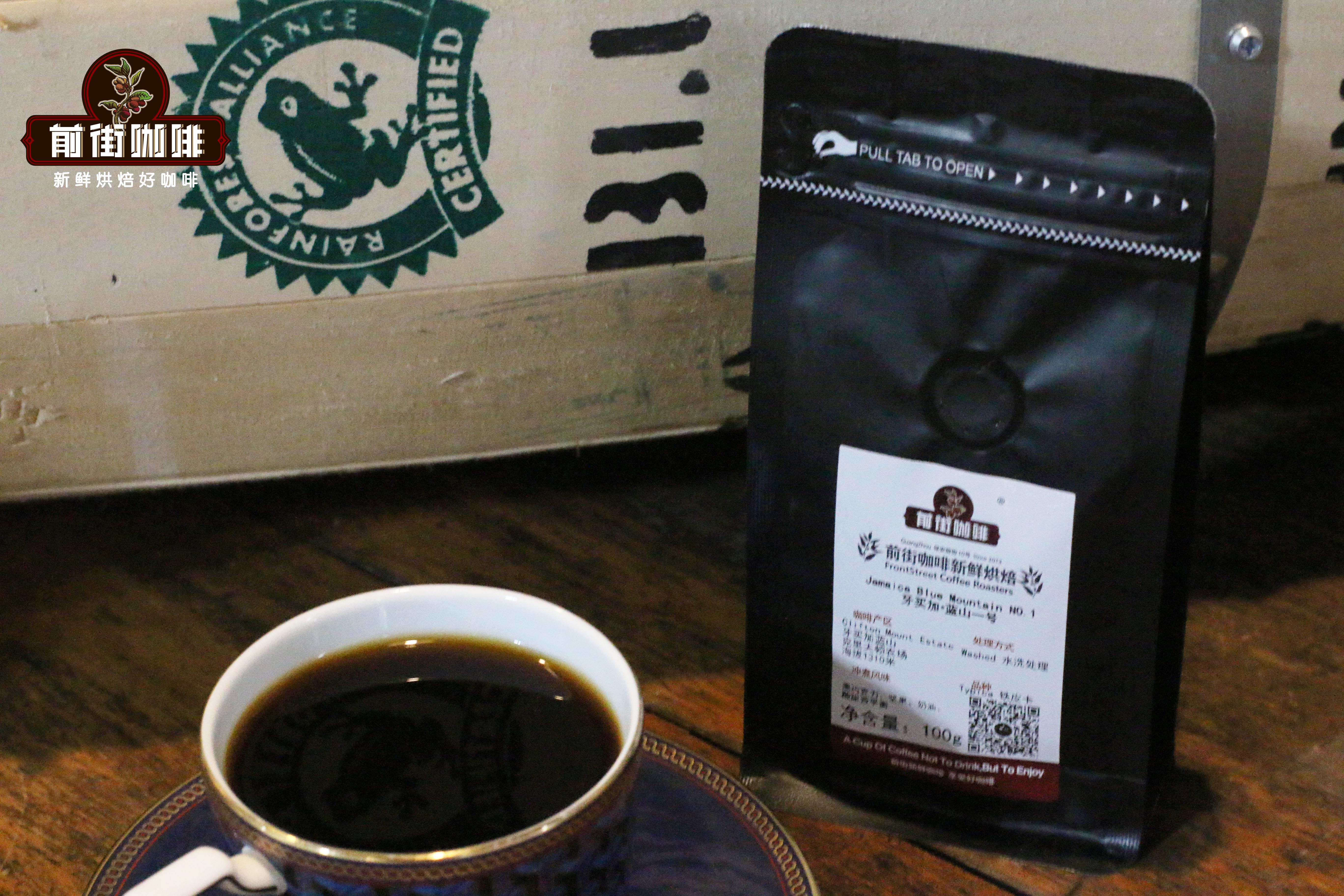
Why Has Jamaican Blue Mountain Coffee Long Been Dominated by Japan? Practical Methods to Identify Authentic Blue Mountain vs. Counterfeits
Blue Mountain coffee is internationally renowned and hailed as the epitome of luxury in the coffee world, yet the market is flooded with a large number of counterfeits sold under the Blue Mountain name. Authentic Jamaican Blue Mountain coffee comes from a specific area delimited by the Jamaica Coffee Industry Board (CIB), at an altitude of about 910 to 1,700 meters, with the variety restricted to Typica. Its annual output is less than 15% of Jamaica's total coffee production, about 900 tons. As early as 1981, the Japanese company UCC established a farm in Jamaica, and Jamaica promised to sell 90% of the Blue Mountain quota to Japan, which is also the origin of the claim that Blue Mountain is dominated by Japan. This article will guide you through the origin standards, grade classifications, and identification points of Blue Mountain coffee, as well as how to brew a cup of authentic Front Street Jamaican Blue Mountain No. 1 at home. [more…]
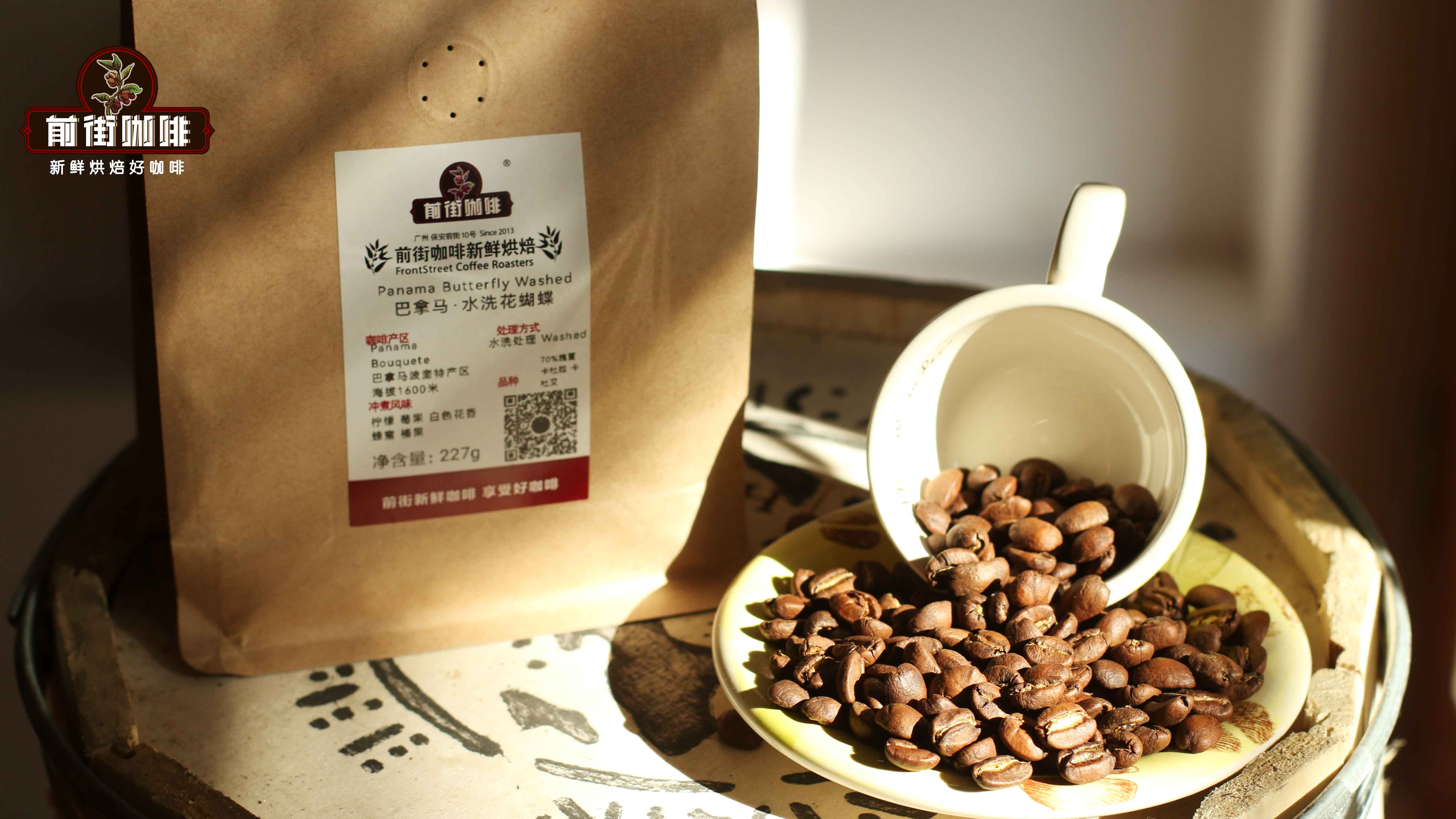
A Review of Six World-Renowned Coffee Bean Brands: Front Street Coffee and Representative Brands from Italy and Japan in Full Analysis
The world of coffee is rich and varied, and the roasting philosophies and flavor pursuits behind different brands are all distinct. This article will introduce you to six representative coffee bean brands from around the world: from Front Street Coffee, which offers more than 50 kinds of freshly roasted beans, covering classic origins such as Yirgacheffe and Mandheling, to Italy's national treasure brand illy, the sales leader Lavazza, Bristot, which has a long history and insists on roasting after receiving orders, Piazza Doro, with 250 years of heritage, and the Japanese specialty coffee group Ucc. From everyday drinking beans to a noble Blue Mountain experience, these brands interpret the charm of coffee in their own ways. [more…]
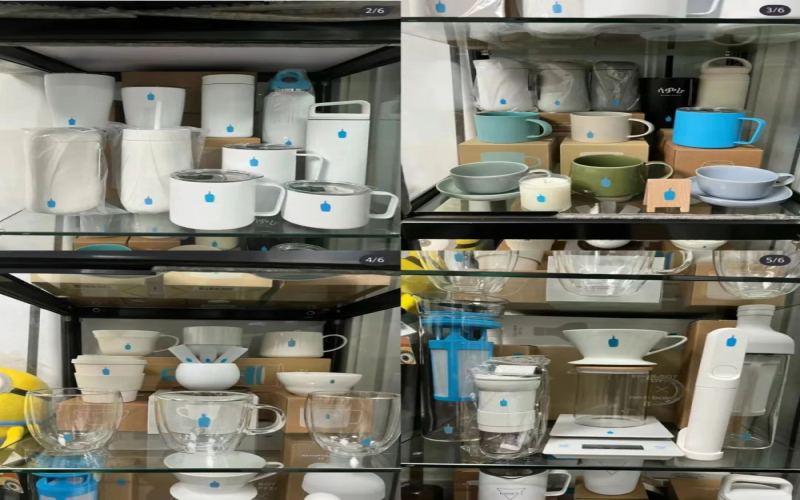
Blue Bottle Coffee's limited-edition green cup quality control fails: Controversy over hand-glazing and differences in cup-bottom markings in China spark heated discussion
Blue Bottle Coffee recently launched a 2023 holiday limited-edition pine green mug in Japan, which quickly became a hit in collector circles thanks to its high aesthetic appeal. After the China region officially announced its release on November 5, the mini-program sold out instantly, with many enthusiasts going so far as to use international proxy shopping services or visit physical stores just to get one. However, when the mugs arrived after crossing the ocean, many consumers discovered flaws such as uneven glaze and bumpy walls, and customer service's response citing "artisan handmade" further sparked skepticism. In addition, the China version only has "Made in Japan" printed on the bottom, creating a gap compared with the complete information on the Japanese version. Even more frustrating, some online orders arrived with the mug shattered upon opening due to flimsy packaging. Front Street Coffee has also been following this incident, and this article will provide a complete rundown of the Blue Bottle green mug's journey from hot demand to backlash, offering a reference for coffee gear enthusiasts. [more…]
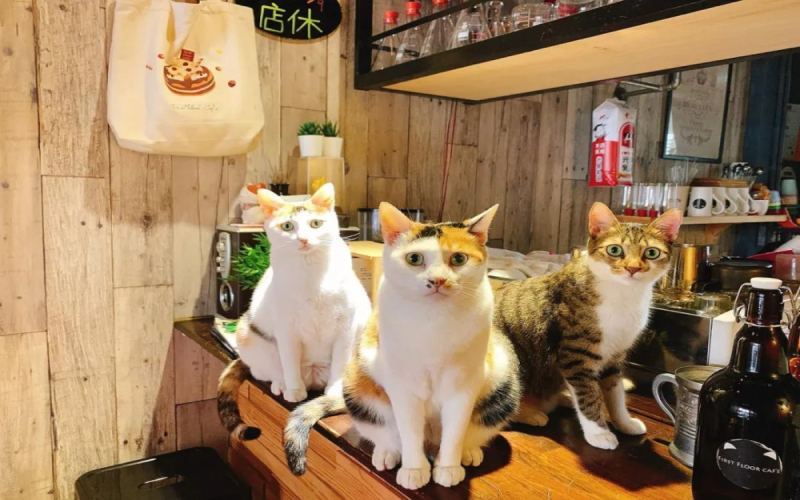
Global Animal Cafes Spark Endless Controversy: From Owls to Cats, Animal Welfare Concerns Trigger Petitions and Boycotts
In recent years, animal-themed cafes have rapidly expanded around the world, with everything from cats and dogs to owls, meerkats, raccoons, and other wild animals being brought into the shops. However, animal protection organizations point out that these venues often lack effective oversight, and the animals are kept under chronic stress and sleep deprivation, with their physical and mental health seriously affected. In Japan, nearly 100,000 people have signed a petition demanding the closure of cafes featuring owls and other wild animals, and South Korea has announced a total ban on displaying wild animals outside of zoos. Should consumers also reflect: without demand, how can there be a market? [more…]
What Japanese Blue Mountain coffee brands are there? Is authentic Jamaican Blue Mountain coffee only available in Japan?
When Blue Mountain coffee is mentioned, many people think of claims like "extremely expensive" and "authentic Blue Mountain can only be bought in Japan." These impressions actually stem from a period of coffee trade history between Jamaica and Japan in the last century. Today the market landscape has long since changed: Jamaican Blue Mountain coffee can be imported directly into China, and consumers can buy authentic Blue Mountain beans with certificates of origin through proper channels. This article will trace the origins of the relationship between Japan and Jamaican Blue Mountain coffee, explain the current state of Blue Mountain coffee imports, introduce the grading standards for Blue Mountain green beans, and share Front Street Coffee's roasting approach and pour-over brewing parameters for Blue Mountain No. 1, helping coffee lovers gain a clearer understanding of this classic coffee. [more…]
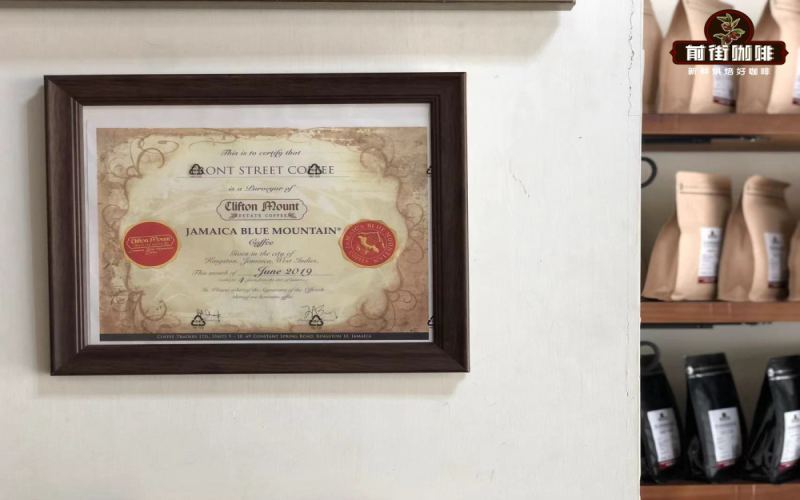
Jamaican Blue Mountain No. 1 Coffee Buying and Brewing Guide: Detailed Explanation of Price, Grade Standards, and Front Street Extraction Parameters
Blue Mountain coffee is an iconic presence in the second wave of the specialty coffee movement, and besides its flavor, what is most often discussed about it is its price. From the perspective of Front Street Coffee, this article sorts out the essential differences between authentic Blue Mountain No. 1 and the "Blue Mountain flavor" blended beans on the market, reviews the history of Blue Mountain coffee being expensive and hard to obtain due to Japan's long-term quota agreement, explains the strict definition and grading standards that the Jamaican CIB applies to the Blue Mountain production region, and introduces the origin, selling price, and in-store brewing parameters of Front Street Blue Mountain No. 1 coffee beans. Whether you want to understand why Blue Mountain is expensive or want to know how to brew the Blue Mountain No. 1 you bought so it tastes better, this article provides complete reference information. [more…]